India's Elderly Population Projected to Rise 19% by 2050
A UN report highlights the retirement planning challenges India faces as life expectancy rises and joint family support structures fade.
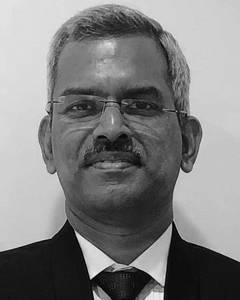
Tejas Shah
Proprietor of Silicon One and Silicon Systems, AMFI-registered Mutual Fund Distributor since 2004, based in Vadodara.
A UN World Population Prospects report found that by 2050, India's number of dependent adults will match its number of dependent children for the first time — bringing new social, economic and healthcare challenges that need addressing today.
Three shifting factors
Higher life expectancy, thanks to better healthcare, means more years to fund in retirement. The shift from joint to nuclear families means retirees increasingly need to be financially self-sufficient rather than relying on children. And despite India ranking well on retirement readiness surveys, actual savings often fall short: one Aegon survey found Indians on track for only 71% of needed retirement income, with the majority of savings parked in low-yield bank accounts rather than diversified investments.
Key takeaways: start saving for retirement as early as possible, work with an advisor to track goals, diversify investments, and make sure you're adequately insured.
#retirement planning
Share this article
Enjoyed this article?
Subscribe to receive more insights like this directly in your inbox.